Barber of Seville
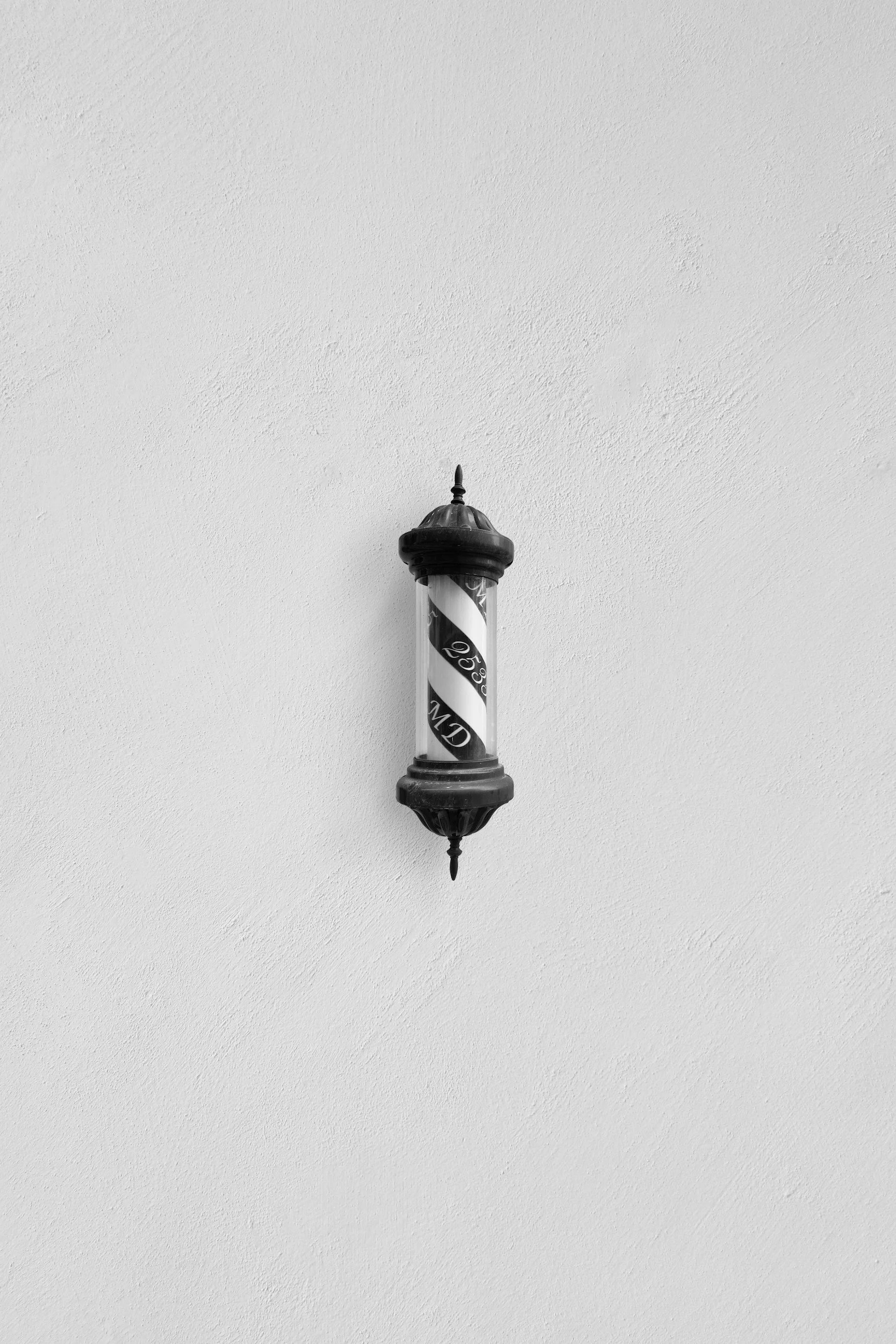
Stock Photo: H&CO via Unsplash
As the sunlight returns to the norther hemisphere and spirits enliven with its reintroduction, another moment of joy has also come to Toronto: The Barber of Seville. The Canadian Opera Company pulled off a wonderful performance of comedy and fantastic music with their current running of arguably Rossini’s most popular opera.
To pull off comedy and get genuine laughs from a large audience when the jokes were written roughly 200 years ago is a difficult challenge, but one that was executed with extreme success by the COC cast. Something we loved was the very campy production design. While this runs the potential of being painful if not done well, we have no hesitations to say that the production was successful in its campy aesthetic of oversized props, over the top makeup and costumes, and just the right balance of historical touches. A wonderful mix of bright colours, fun wigs and comically large props made for a visually fun experience.
The music was fantastic, with all the singers showcasing their extraordinary singing abilities and stamina. We couldn’t help but think to ourselves of the absolute marathon of singing that Rossini composed for this opera. The number of melismatic passages really puts singers through their paces, but all went through them with ease. There was a moment admittedly where it felt like more could have been done in terms of staging and action as the characters sang, however once the complex passages began it became much clearer why the staging allowed for more standing in place and singing, for to move and sing complex passages is a recipe for poor execution. So, in this they did well.
Where staging was strategic and perhaps a little static for the solo highlight moments, it was certainly not in other sections. Most specifically are the sections that the orchestration balance clashed with the singing. This is by no means a negative perspective of the orchestra, on the contrary, as under the direction of Joan Font they were fantastic. It was a concern of the score itself, as Rossini at times overloaded the orchestration. The director saw this moment and found the opportunity it presented.
Some of the most interesting visual moments was when the orchestra did overpower the singers and mask them a bit, like during the quartet of Count Almaviva sung by Dave Monaco, Rosina sung by Deepa Johnny, Figaro by Luke Sutliff, and Bartolo sung by Renato Girolami. However, the background story being told simultaneously of the extras living their comedic chaos in the background, including getting stuck in chandeliers, pulled the moment together in fantastic comedic timing. Very clever use of staging.
Comedy is useful and appreciated any time of year, and we have no doubt that this production brought some light to the cold Canadian winter. Bravissimo tutti!